Mood Boster: The Handwritten Font That Elevates Design
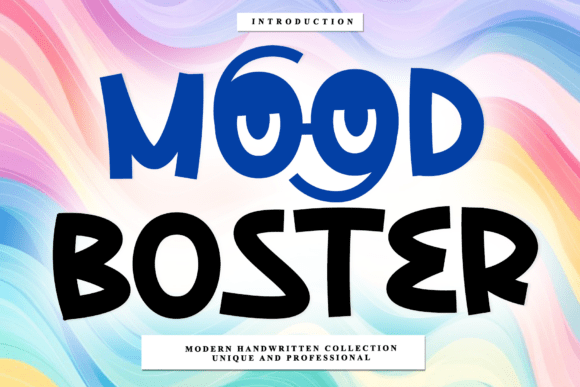
Imagine a design that doesn't just communicate a message, but captures a feeling—this is the power of a thoughtfully chosen typeface. In the crowded landscape of modern graphic design, where first impressions are digital and instantaneous, the right font can be the difference between blending in and standing out. This is precisely where Mood Boster excels. As a lovely and timeless handwritten font, it offers designers and creators a versatile tool to inject personality, warmth, and authenticity into any project.
The Role of Typography in Modern Visual Communication
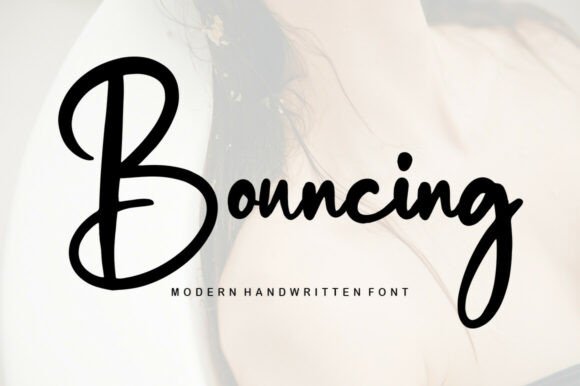
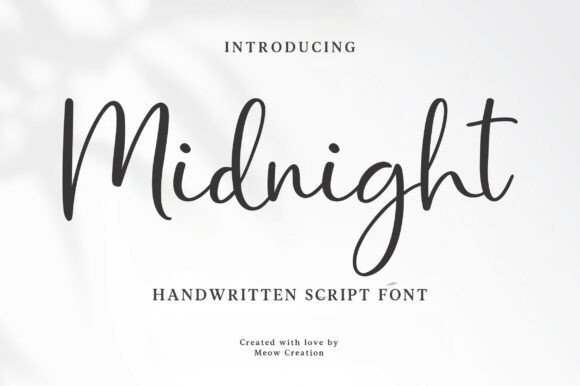
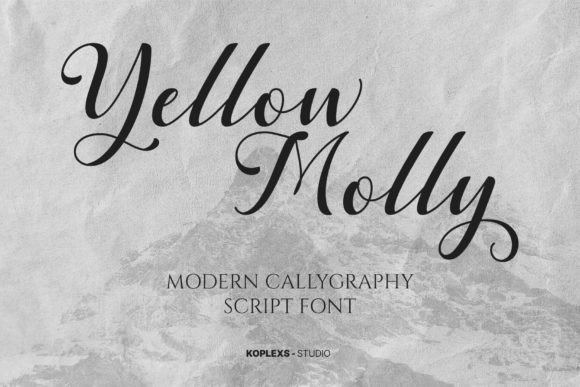
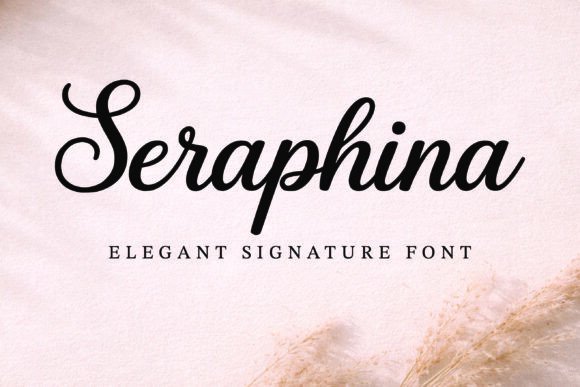
Typography is the voice of design. It guides the viewer's eye, establishes tone, and reinforces brand identity. A font like Mood Boster, with its unique and beautiful touch on every letter, serves a specific and valuable purpose. It moves beyond mere legibility to create an emotional connection. This makes it an ideal choice for projects that require a human, approachable, and creative aesthetic—from logo design and branding to social media graphics and editorial layouts.
Practical Applications for Creative Impact
Understanding where and how to deploy a handwritten font is key to its effectiveness. Mood Boster's timeless quality allows it to adapt across various contexts, enhancing both digital and physical creative projects.
- Branding and Logo Design: Use it to craft logos for lifestyle brands, boutique shops, cafes, or creative studios that want to convey a personal, artisanal touch.
- Marketing and Social Media: Its eye-catching nature is perfect for quotes, call-to-action buttons, and headlines in digital marketing campaigns, making content more shareable and engaging.
- Editorial and Packaging Design: Add a elegant flair to magazine layouts, book covers, or product packaging to create a memorable unboxing experience and strengthen visual hierarchy.
- Web and UI Design: When used sparingly for headers or featured text, it can soften a digital interface, improve user experience, and guide attention in a modern aesthetic.
Tips for Selecting and Using Creative Assets Effectively
Integrating a distinctive font like Mood Boster into your design workflow requires strategy. First, consider consistency. A handwritten font works best as a complementary element, not the primary body text. Pair it with a clean, sans-serif font for readability in longer passages. Second, evaluate scalability. Test how the font renders at different sizes to ensure its unique details remain clear in both small digital icons and large print designs.
Furthermore, align the font with your color palette and overall brand system. Its warm character pairs well with earthy tones, pastels, or bold, contrasting colors for a dynamic effect. Always keep your target audience and design goals in mind; a handwritten font communicates informality and creativity, which may not suit every corporate context but is invaluable for connecting on a personal level.
Achieving a Polished and Professional Result
The foundation of any strong design is a harmonious composition. Typography, color, imagery, and space must work together. Mood Boster contributes to this by providing a point of visual interest and emotional resonance. Its use should feel intentional—placed where it will have the most impact, such as in a hero section headline, a featured quote, or on merchandise. This thoughtful application ensures it enhances rather than overwhelms, contributing to a professional presentation that feels both curated and authentic.
Ultimately, the tools you choose define the quality of your communication. Investing in high-quality creative assets like Mood Boster is an investment in your brand's ability to connect. It reminds us that great design is not just about aesthetics, but about evoking the right response and making every interaction feel intentional and memorable.