Heart Bubble Typography: Making Your Designs Pop
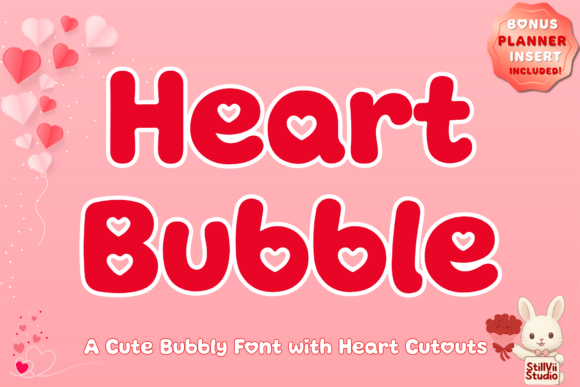
In the crowded landscape of digital design, where attention spans are measured in milliseconds, typography must do more than just convey a message—it needs to evoke an emotion. The Heart Bubble font represents a specific niche in graphic design that prioritizes personality and tactile appeal over corporate austerity. This typeface is not merely a set of characters; it is a visual tool engineered to inject joy, nostalgia, and energy into creative projects. By combining the structural integrity of a bold, retro font with the whimsical detail of heart cutouts, it offers designers a unique asset for creating high-impact visual communication.The Anatomy of a Playful Typeface
Typography is the voice of your design, and the Heart Bubble font speaks in a tone that is loud, friendly, and unmistakably cheerful. The defining characteristic of this typeface is its "chunky" letterforms. In design terms, this refers to a heavy stroke weight that commands attention and ensures legibility even at a distance.Practical Applications in Modern Design
Understanding how to deploy a specialized typeface like Heart Bubble is key to a successful design workflow. While it may not be suited for long-form body text, its utility in specific applications is vast. Here are several ways to integrate this style into your creative assets:- Branding and Logo Design: For brands targeting younger demographics or those in the confectionery, party, or lifestyle sectors, this font offers instant personality. It creates a memorable wordmark that feels approachable and fun.
- Merchandise and Apparel: The chunky nature of the font makes it perfect for sublimation and vinyl cutting. Whether you are designing Y2K-inspired stickers, tote bags, or t-shirts, the bold lines ensure that the design holds up well on physical products.
- Social Media Graphics: In the fast-scrolling environment of Instagram or TikTok, visual impact is paramount. Use this font for headers or call-to-action text to stop the scroll and increase engagement.
- Event Stationery: From wedding invitations to Valentine’s Day cards, the font provides a romantic yet modern aesthetic. It bridges the gap between handwritten scripts and structured display fonts.
- Digital Planners and UI Elements: When designing digital planners or user interface elements for apps targeting children or casual users, the 3D effect adds depth without requiring complex layering in your design software.
Integrating Heart Bubble into Your Design Workflow
A professional graphic design workflow relies on assets that are not only beautiful but also functional. When selecting a display font like Heart Bubble, compatibility and scalability are crucial factors. A high-quality typeface should perform seamlessly across various platforms, from vector-based software like Adobe Illustrator to cutting machines like Cricut and Silhouette.Technical Considerations
For designers working with vinyl or sublimation, the "weeding" process—removing excess material from a cut design—can be tedious. The optimized weight of a bubbly font ensures clean lines and easy separation, saving valuable production time. Furthermore, the font's ability to scale without losing its structural integrity makes it a versatile asset for both small stickers and large-format banners.
Visual Hierarchy and Color
When working with a textured or 3D font, your color palette choices become even more impactful. The "bubbles" and heart details catch light and shadow differently than flat text. Designers can enhance this effect by using gradients or contrasting outlines. For instance, applying a white offset or "shadow" effect behind the text can make the letters "pop" off the background, creating a distinct separation between the typography and the imagery.
Consistency in Branding
While a playful font adds flair, it must be balanced with the rest of your brand identity. If you use Heart Bubble for your headers, consider pairing it with a clean, sans-serif font for your body copy. This contrast ensures readability while maintaining a cohesive visual style. The goal is to use the font to highlight key messages—such as a sale, a product name, or a greeting—without overwhelming the viewer.