Highlight Font: Sweet Cursive for Joyful Design
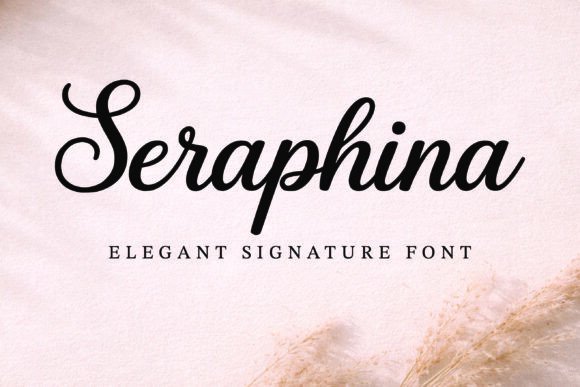
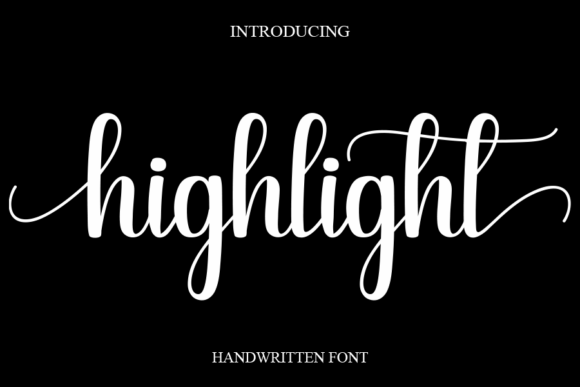
In a digital landscape saturated with geometric sans-serifs and stark minimalism, finding a typeface that conveys genuine warmth and personality can be transformative. Enter Highlight, a sweet and cursive handwritten font designed to infuse projects with a gentle, joyful spirit. This typeface isn't just about letters; it's about adding a human touch to digital and print creations, making it a valuable asset for designers seeking to evoke romance, elegance, and approachable sophistication.
The Role of Expressive Typography in Visual Communication
Typography is a cornerstone of visual hierarchy and brand identity. While functional fonts handle body copy, an expressive display font like Highlight serves a distinct purpose. Its fluid, handwritten strokes create an immediate emotional connection, guiding the viewer's eye and setting a specific tone. In effective graphic design, such choices are strategic. Highlight's cursive nature makes it ideal for headlines, logos, and accent text where capturing attention and conveying a specific mood—be it celebratory, romantic, or casually elegant—is paramount.
Practical Applications Across Creative Projects
The versatility of a well-crafted handwritten font allows it to shine across numerous design disciplines. Highlight's gentle curves and balanced spacing make it adaptable to both digital and print environments, enhancing the user experience through consistent, appealing aesthetics.
- Branding and Logo Design: For boutique businesses, wedding planners, beauty brands, or lifestyle blogs, Highlight can form the core of a brand's visual identity. It communicates approachability and care, perfect for logos that need to feel personal yet professional.
- Marketing and Social Media Graphics: From Instagram story quotes to Facebook ad headlines and email newsletter banners, Highlight adds a touch of elegance that stops the scroll. Its romantic flair is particularly effective for campaigns around holidays, sales events, or product launches aimed at a discerning audience.
- Editorial and Web Design: Used sparingly in magazine layouts, blog post titles, or website hero sections, it can break the monotony of standard text, creating visual interest and improving the overall user interface (UI) design by adding personality.
- Packaging and Print Design: On product labels, greeting cards, wedding invitations, or boutique packaging, Highlight elevates the unboxing experience. It signals quality and attention to detail, which is crucial in physical marketing materials.
Integrating Highlight into Your Design Workflow
Successfully incorporating a font like Highlight requires thoughtful consideration of your overall design system. Its effectiveness hinges on context and contrast.
Pairing and Hierarchy: Avoid using Highlight for long paragraphs. Its strength is in display. Pair it with a clean, neutral sans-serif for body text to ensure readability and establish a clear visual hierarchy. For example, use Highlight for a main headline and a font like Montserrat or Open Sans for supporting text.
Audience and Goals: Always align your font choice with your target audience and project goals. Highlight's joyful and romantic character is perfect for wedding-related content, feminine product branding, or lifestyle marketing. It may be less suitable for corporate finance or heavy industrial contexts where authority and neutrality are key.
Color and Composition: Let the font breathe. Combine it with a soft, complementary color palette—think blush pinks, sage greens, or classic neutrals—to enhance its gentle nature. Ensure ample whitespace around text set in Highlight to maintain its elegant and casual feel.
Elevating Aesthetics with Thoughtful Font Selection
In the realm of creative assets, typography is a powerful tool for storytelling. Choosing a font like Highlight is a deliberate decision to prioritize emotional resonance and aesthetic appeal. It moves a design from merely functional to truly memorable, strengthening brand recall and enhancing user engagement. By understanding its characteristics and applying it strategically, designers and creators can harness its potential to craft visuals that are not only beautiful but also effectively communicate the intended message, proving that the right typeface is indeed a cornerstone of professional presentation and modern design trends.