Huma: Infuse Celtic Elegance Into Your Design Work
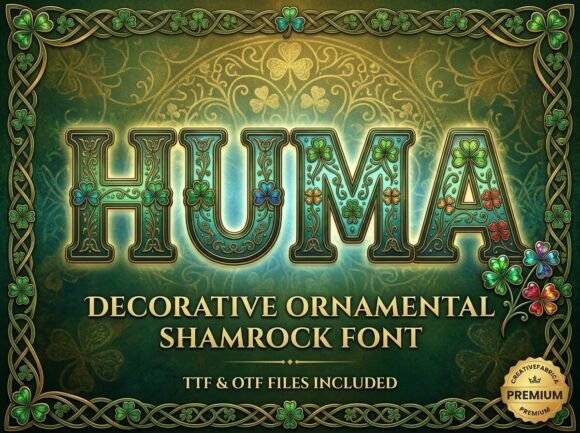
Imagine a typeface that doesn't just spell out words but whispers a story of ancient artistry and vibrant celebration. For designers seeking to evoke a specific cultural heritage with sophistication, Huma offers a compelling solution. This premium decorative font is a masterful tribute to Irish culture, characterized by its lush teal-to-gold gradients and hand-painted shamrock motifs. It moves beyond cliché, providing a refined tool for projects that demand authenticity and visual impact.
Understanding Huma's Place in Modern Graphic Design
In a crowded digital landscape, brand identity hinges on unique, memorable visual language. Huma serves as a powerful creative asset for establishing that distinctiveness. Its value lies in its ability to convey a specific design inspiration—the intricate beauty of Celtic artistry—while maintaining a modern aesthetic. This isn't merely a font; it's a complete visual design system built for professional presentation. The integrated color gradients and motifs ensure consistency, a critical factor in effective branding and visual communication.
Key Characteristics That Define Huma
The font's personality is built on several intentional design choices:
- Lush Color Gradients: The signature teal-to-gold palette is not an afterthought. It’s a core element that adds depth and luxury, eliminating the need for designers to manually apply complex gradients to each letter.
- Hand-Painted Motifs: The delicate shamrock details are seamlessly woven into the letterforms. This organic quality feels authentic and avoids a generic, templated look.
- Cultural Specificity: Huma is designed for projects celebrating Irish heritage. This focus ensures every curve and flourish feels relevant, from St. Patrick’s Day campaigns to high-end Celtic jewelry branding.
Practical Applications for Designers and Marketers
The true test of any typography solution is its application. Huma excels in scenarios where cultural narrative and premium quality intersect. Consider its use in:
- Branding and Logo Design: Perfect for Irish pubs, cultural festivals, or boutique brands with Celtic roots. It creates an immediate, evocative connection.
- Packaging Design: Ideal for luxury goods, artisan food products, or cosmetic lines seeking an elegant, heritage-inspired color palette and visual hierarchy.
- Marketing Materials & Social Media Graphics: Use it for event posters, digital ads, and social media content related to St. Patrick’s Day or Celtic themes to ensure standout user engagement.
- Editorial and Web Design: Deploy Huma for headlines in magazines, blog headers, or hero sections on websites to create a strong focal point and enhance the user experience.
Tips for Effective Implementation
Integrating a decorative font like Huma requires thoughtful execution to maintain readability and scalability.
- Pair with Simplicity: Use Huma for headlines and short display text. Pair it with a clean, neutral sans-serif or serif font for body copy to ensure legibility and a balanced visual hierarchy.
- Respect the Color System: The built-in gradients are a feature. Use them as intended or sample colors from the palette for supporting elements to maintain consistency across your design workflow.
- Context is Key: Ensure its use aligns with your audience expectations and design goals. It’s a specialized tool, not a universal one. Evaluate if the Celtic theme genuinely supports your brand message.
- Test for Compatibility: When integrating into an existing brand identity system, preview Huma alongside your current logos, colors, and imagery to ensure a harmonious and polished result.
Choosing the right creative assets is fundamental to elevating your work from good to exceptional. A typeface like Huma demonstrates how targeted typography can carry cultural weight and aesthetic polish, directly impacting the quality of your visual communication. By making informed, context-aware decisions about your design elements, you build stronger brand narratives and create more compelling, professional experiences for your audience.