Neon Typography: A Vibrant Design Asset
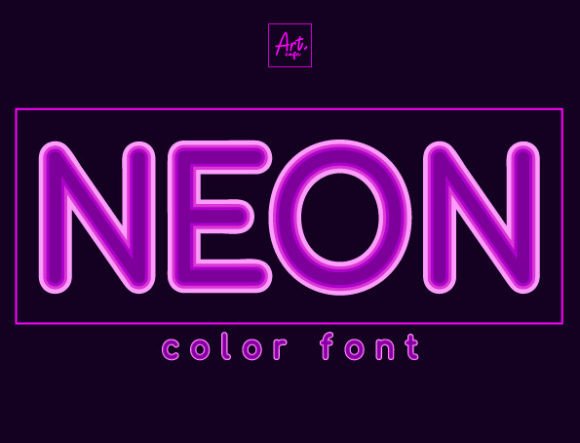
Imagine a font that doesn't just sit on a page but practically glows with energy, instantly capturing the electric pulse of a city at night. Neon is a cool and unique color font that electrifies designs with vibrant energy. Its vivid hues and sleek letterforms capture the essence of urban neon signs, creating a visually striking and modern aesthetic. Ideal for projects demanding a bold and dynamic vibe, Neon illuminates your designs with contemporary flair, making it an invaluable creative asset for designers aiming to make a memorable impact.
The Role of Neon in Modern Visual Communication
In the realm of graphic design, typography is more than just lettering; it's a critical component of visual hierarchy and brand identity. Neon fonts serve as powerful tools for creating immediate focus and conveying specific moods—be it retro, futuristic, or unapologetically bold. This style excels in environments saturated with content, offering a way to cut through the noise and direct the viewer's eye. For professionals in digital marketing, social media graphics, and web design, incorporating such a distinct typeface can significantly boost user engagement and brand recall.
Practical Applications Across Creative Projects
The versatility of a vibrant font style extends far beyond simple headlines. When applied thoughtfully, it can transform ordinary layouts into premium presentations. Consider how this aesthetic can elevate various design contexts:
- Branding and Logo Design: Perfect for entertainment venues, tech startups, or lifestyle brands seeking a youthful, energetic identity.
- Social Media Content: Captures scrolling attention on platforms like Instagram and TikTok, increasing click-through rates for stories and ads.
- UI Design: Adds a unique accent to call-to-action buttons or feature highlights, improving the overall user experience with visual flair.
- Packaging Design: Helps products stand out on crowded shelves, particularly in the beverage, cosmetic, or consumer electronics sectors.
- Editorial Layouts: Creates dynamic pull quotes or section headers in magazines and blogs, enhancing the reader's visual journey.
Best Practices for Implementation
While the allure of a glowing typeface is strong, successful implementation requires a strategic approach to maintain readability and professional standards. To integrate this style effectively into your design workflow, consider the following guidelines:
- Visual Hierarchy: Use Neon sparingly for maximum impact. It is best suited for headlines, subheadings, or key phrases rather than body text to ensure legibility.
- Color Palette Compatibility: Pair vibrant typography with dark, muted, or monochromatic backgrounds to simulate the look of an actual light source and prevent visual fatigue.
- Scalability: Ensure the font remains clear at various sizes, particularly for responsive web design and mobile interfaces.
- Audience Expectations: Align the font choice with your target demographic. While it resonates with younger, trend-aware audiences, it may require adjustment for more conservative corporate contexts.
Conclusion
Ultimately, the decision to use a bold font style like Neon should be driven by your project's goals and the message you wish to convey. Thoughtful design choices—balancing creativity with clarity—ensure that your visual communication remains effective and engaging. By selecting high-quality creative assets that complement your brand's voice, you not only enhance the aesthetic appeal of your work but also strengthen the connection with your audience, ensuring your designs are seen, remembered, and acted upon.