Selora: Defining Luxury with Swash Serif Elegance
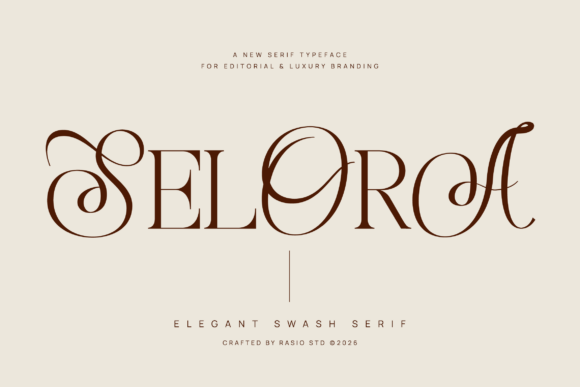
The moment a design demands absolute sophistication, the choice of typeface becomes paramount. Selora is a swash serif typeface engineered specifically for this purpose, offering a bridge between classical editorial grace and contemporary luxury. In an era where brand identity relies heavily on visual distinctiveness, Selora provides a solution that feels both established and fresh. It is not merely a font; it is a design asset that communicates prestige, quality, and an unyielding attention to detail.
The Anatomy of Elegance
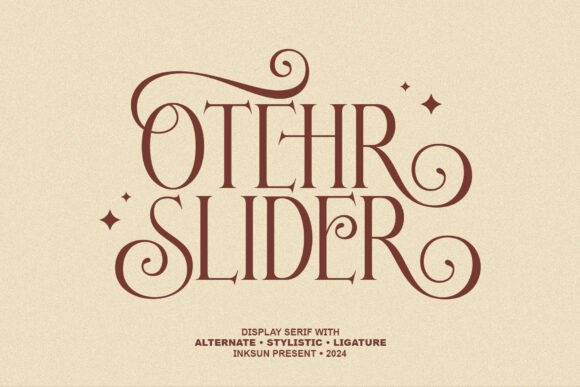
At its core, Selora is defined by its high-contrast structure. The interplay between sharp, razor-thin horizontal serifs and thick, confident vertical strokes creates a dynamic rhythm on the page. This is where the swash elements come into play. The calligraphic swashes weave through the text like poetic flourishes, adding movement and a human touch to the otherwise precise letterforms. This balance is crucial in modern graphic design. It allows a brand to appear authoritative without being rigid, and creative without sacrificing legibility.
Practical Applications in Modern Design
Understanding where to deploy a typeface like Selora is key to maximizing its impact. Its inherent personality makes it unsuitable for body copy in technical manuals, but it shines in environments where visual hierarchy and emotional connection are the primary goals.
- Luxury Branding and Logo Design: For high-fashion labels, boutique hotels, or premium jewelry lines, Selora acts as the cornerstone of a visual identity. It instantly signals exclusivity.
- Editorial and Packaging Design: In magazine headlines or winery labeling, the swashes create a focal point that draws the eye. It adds a layer of artistic expression that standard serif fonts often lack.
- Digital and Social Media: While web design requires careful consideration of load times and readability, Selora is an excellent choice for hero headers, landing page callouts, and social media graphics intended to stop the scroll.
- Premium Stationery: From wedding invitations to corporate letterheads, the font translates beautifully into print design, where the ink can highlight the fine details of the serifs.
Integrating Selora into Your Design Workflow
Adopting a new typeface into a creative project requires more than just installation. To use Selora effectively, designers must consider the broader context of their visual design. Here are a few tips for seamless integration:
- Pairing with Simplicity: Because Selora has a strong personality, it pairs best with clean, neutral sans-serif fonts. This contrast ensures that the headlines remain the star of the show while body text stays highly readable.
- Color Palette Considerations: High-contrast fonts often look best in monochromatic schemes—think deep charcoal on cream, or metallic gold on midnight blue. Avoid overly busy backgrounds that might compete with the intricate swashes.
- Spacing and Leading: Swash characters often require more breathing room than standard letters. Adjusting your tracking and leading ensures that the tails of the letters don’t collide with ascenders or descenders on adjacent lines.
Enhancing User Experience and Communication
In the realm of UX design and digital marketing, typography is a silent ambassador. While Selora is decorative, its role in visual communication is functional: it sets the tone immediately. When a user lands on a page and sees a header rendered in Selora, they subconsciously categorize the brand as premium. This psychological shorthand saves valuable time in conveying brand values. However, designers must remain vigilant about scalability. Always test how the typeface renders at different sizes, particularly on mobile devices, to ensure the aesthetic remains intact across all touchpoints.
Ultimately, the tools we choose shape the stories we tell. By incorporating assets like Selora, designers and creators can elevate their work from the mundane to the magnificent. Thoughtful typography is the difference between a message that is simply read and one that is truly felt, proving that in the world of design, details are not just details—they are the design.